BodyScanHQ researches and independently evaluates home body composition monitors — smart scales and BIA devices that measure beyond just weight. Our reviews focus on segmental accuracy, app quality, long-term tracking reliability, and value. We earn a commission if you purchase through our links, which funds our research. Our rankings are based on evaluation criteria, not commission rates.
Editor's Choice
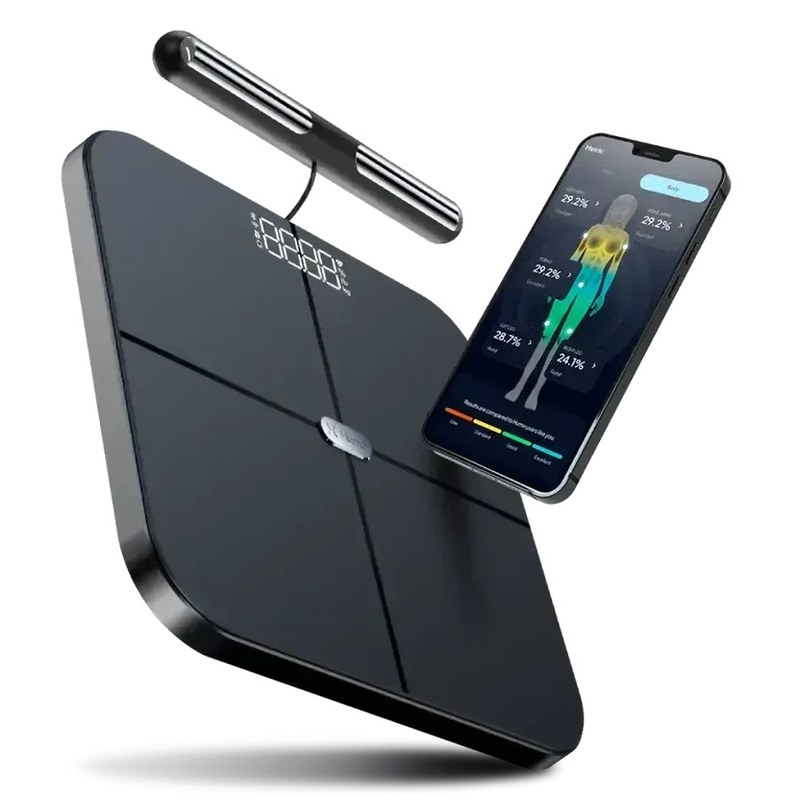
Hume Health Body Pod
An 8-electrode segmental body composition monitor with multi-frequency BIA, ~45 metrics, and HSA / FSA eligibility — at roughly half the price of the premium tier.
- Genuine segmental measurements across 5 body regions
- ~45 metrics including skeletal muscle mass and visceral fat trends
- Mid-premium price point — ~$229
★★★★★ Excellent · ~$229
Read the Full Review →
Affiliate-supported. Prices shown are approximate and subject to change. Verify current pricing at the retailer before purchasing.
At a glance
2026 Top Picks at a Glance
Three home body composition monitors across three price tiers. Click through for the full review of each.
#1 Best Overall
Hume Health Body Pod
★★★★★ Excellent
8-electrode segmental BIA, multi-frequency, ~45 metrics. The value-tier sweet spot for recomposition and GLP-1 monitoring.
~$229
Read the Review →
#2 Premium Alternative
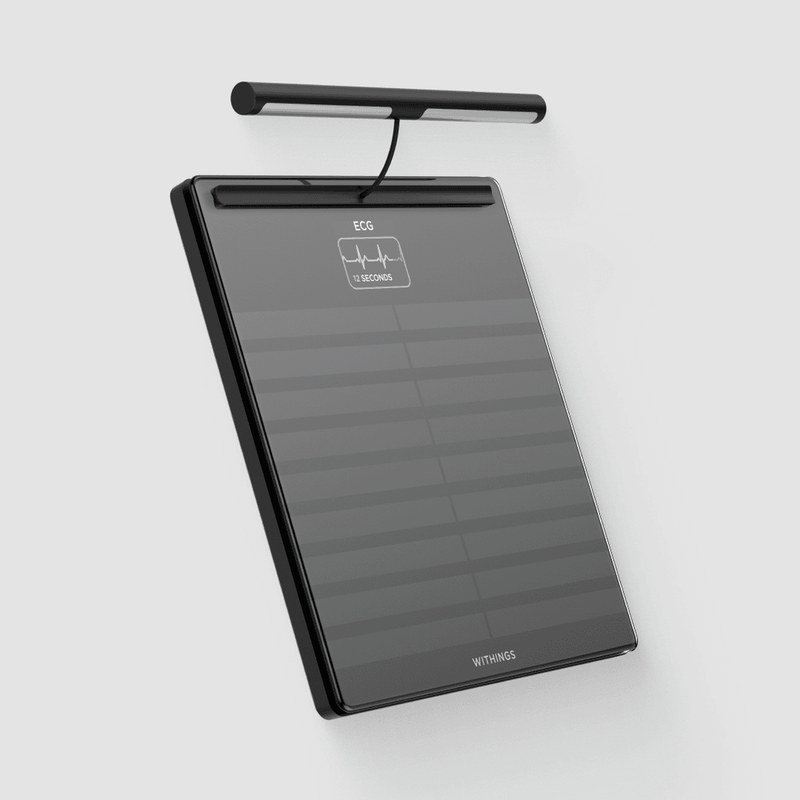
Withings Body Scan
★★★★☆ Very Good
Premium-tier choice with 6-lead ECG, vascular age estimation, Wi-Fi syncing, and the strongest app in the category.
~$499
Read the Review →
#3 Budget Pick
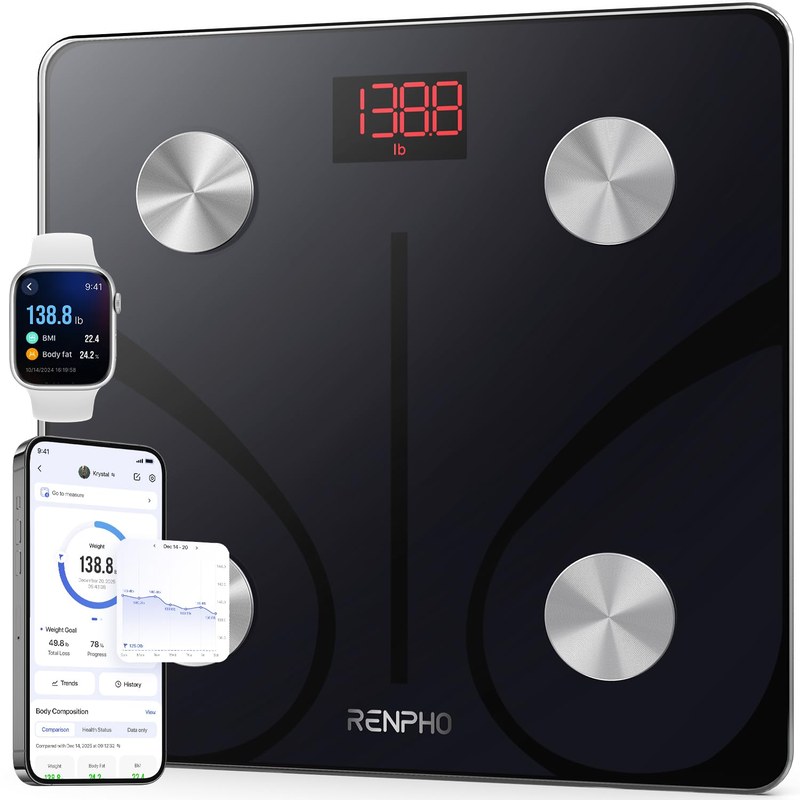
RENPHO Smart Body Fat Scale
★★★★☆ Good
Reasonable entry-level choice. 4-electrode foot-to-foot, basic app, useful for first-time trackers and trend watchers.
~$25–$35
Read the Review →
Editorial ratings reflect research-based judgment, not laboratory measurements. Affiliate-supported. Prices shown are approximate and subject to change. Verify current pricing at the retailer before purchasing.
Why it matters
Why Body Composition Matters More Than Weight
A weight reading collapses fat, muscle, water, and bone into a single number. The good news: home body composition monitors can split that number apart — and the change in what you actually see is meaningful.
Track What's Actually Changing
Two people who weigh the same can have wildly different ratios of fat, muscle, and water. A body composition monitor lets you see whether your weight loss is fat or muscle — and whether your weight maintenance hides a recomposition you'd otherwise miss.
Protect Muscle During Structured Weight Management
Peer-reviewed evidence indicates that 25–40% of weight loss on GLP-1 medications can be lean mass. Tracking lean-mass trends — particularly with segmental hardware — helps you spot whether weight loss is the kind you want or the kind you don't.
BodyScanHQ does not provide medical advice. If you are using prescription weight management medications, consult your healthcare provider before making changes to your monitoring or treatment approach.
Stay Motivated With Meaningful Data
The bathroom-scale number lies on bad days and looks generous on good ones. Weekly trends in body composition give you a more honest read on what's actually happening — fewer false alarms, fewer false victories, more durable progress.
Editorial guides
Guides & Educational Resources
Five research-based articles plus the full review. Read these before you buy.
What bioelectrical impedance actually measures, why some monitors report 13 metrics and others 45, and how to read the numbers without overinterpreting them.
Read the Guide →
The everyday habits — wet feet, post-workout weigh-ins, comparing single readings — that turn a useful trend tool into a confusing source of noise.
Read the Guide →
A buying framework organized by goal — weight, recomposition, GLP-1 monitoring, household use — rather than spec-sheet feature comparisons.
Read the Guide →
The three price tiers in 2026 — what you get under $50, what changes between $100 and $250, and what premium devices add over $300.
Read the Guide →
Why a more expensive monitor isn't always more accurate, what BIA actually measures, and what daily fluctuations really mean.
Read the Guide →
The complete affiliate-supported review of the Hume Health Body Pod, Withings Body Scan, and RENPHO Smart Body Fat Scale across three price tiers.
Read the Review →
Find the Right Body Composition Monitor for Your Goals
Read the full 2026 review for our editor's choice, the premium alternative, and the budget pick — with the trade-offs of each spelled out plainly.
Read the 2026 Review →